


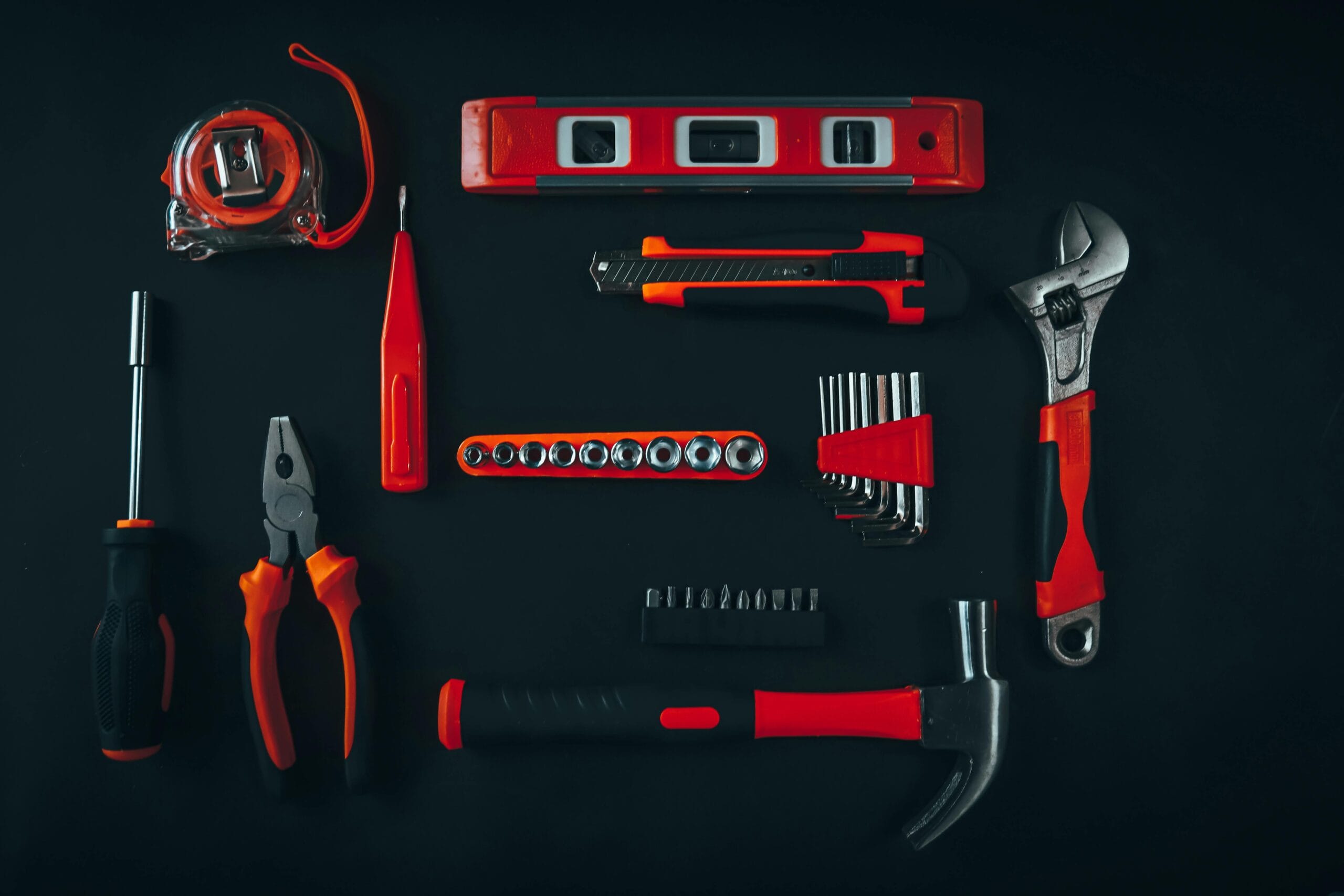
A home tool kit is one of the most practical investments a homeowner can make. From small repairs and quick fixes to basic maintenance tasks, having the right tools at home saves time, money, and unnecessary stress.
Yet many homeowners make the same mistake: they either buy oversized tool kits filled with tools they never use, or they wait until a problem arises—only to realize they’re missing the one tool they actually need.
This guide takes a smarter approach.
Instead of listing hundreds of tools, we focus on the essential home tools every homeowner actually needs, based on real-world use, practicality, and long-term value. Whether you’re moving into your first home, upgrading your current setup, or simply trying to be better prepared, this article will help you build a reliable, useful home tool kit without wasting money.
Table of Contents
Why Most Homeowners Buy the Wrong Tools
The problem isn’t that homeowners don’t buy tools—it’s how they buy them.
Some of the most common mistakes include:
- Buying large tool kits packed with low-quality extras
- Choosing tools for rare situations instead of everyday needs
- Prioritizing price over durability and comfort
- Buying tools one by one only after something breaks
Many tool kits are designed to look impressive on the shelf rather than be useful in real life. They often include dozens of rarely used tools while compromising on the quality of the essentials.
A good home tool kit isn’t about quantity. It’s about having the right tools, ready when you need them.
What Makes a Good Home Tool Kit?
Before looking at specific tools, it’s important to understand what actually makes a tool “essential.”
A tool deserves a place in your home tool kit if it meets at least one of these criteria:
- It’s used frequently for everyday home maintenance
- It solves multiple types of problems
- It helps avoid calling a professional for simple tasks
- It’s durable enough to last for years
When choosing tools, focus on:
- Versatility: One tool, multiple uses
- Build quality: Solid materials and reliable construction
- Comfort: Good grip and balanced weight
- Storage: Easy to organize and access
A well-chosen home tool kit grows with you and adapts to your needs over time.
If you’re just getting started, you may also want to check our in-depth tool reviews to see which products perform best in real-world home use.
The Core Hand Tools Every Homeowner Needs
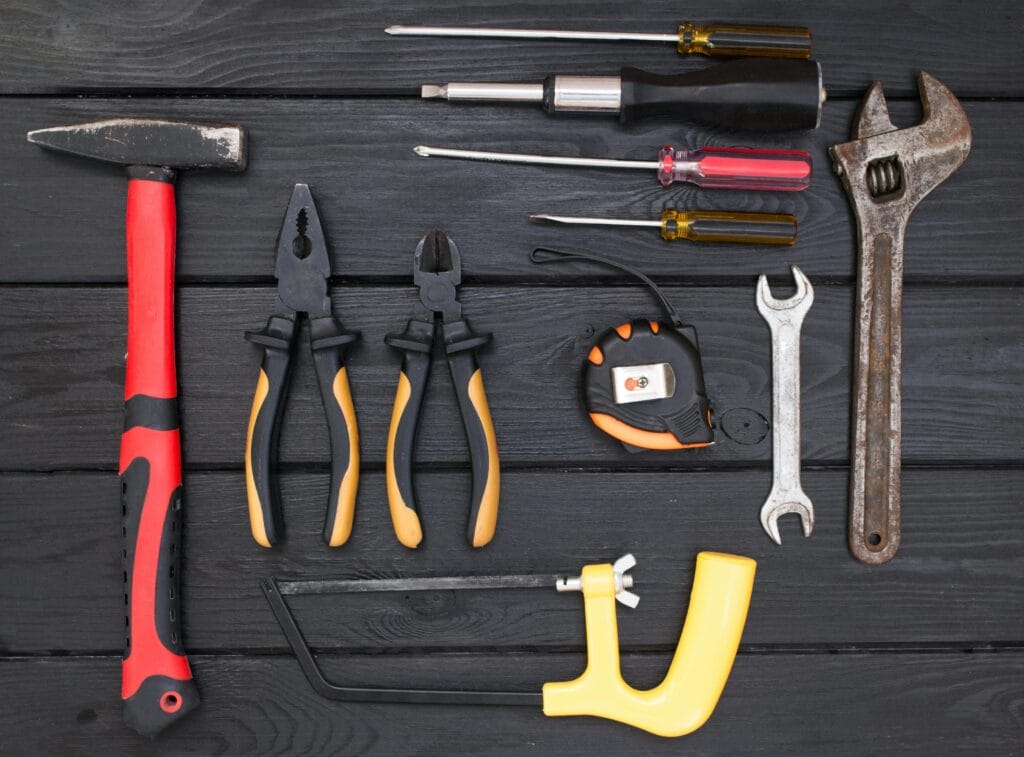
These are the foundation of any home tool kit. If you own nothing else, start here.
Hammer
A claw hammer is one of the most versatile tools you can own. It’s used for driving nails, removing nails, and handling light demolition tasks.
What to look for:
- Comfortable grip
- Balanced weight (16 oz works well for most homeowners)
- Curved claw for easy nail removal
A good hammer will last decades.
Screwdrivers or a Multi-Bit Screwdriver
Screws are everywhere: furniture, appliances, light fixtures, cabinets, and electronics.
At minimum, your home tool kit should include:
- Phillips screwdriver
- Flathead screwdriver
A high-quality multi-bit screwdriver is often a better choice. It saves space and covers multiple screw types with interchangeable bits.
Adjustable Wrench
An adjustable wrench is essential for plumbing repairs, furniture assembly, and tightening bolts and nuts of various sizes.
Look for:
- Smooth adjustment mechanism
- Solid jaw grip
- Corrosion-resistant finish
This tool alone can solve many common household issues.
Pliers
Pliers are used for gripping, bending, pulling, and cutting wires.
A basic home tool kit should include either:
- Combination pliers, or
- Needle-nose pliers for more precise tasks
They’re especially useful for electrical work, small repairs, and hard-to-reach areas.
Tape Measure
Accurate measurements are critical when buying furniture, installing shelves, or planning home projects.
Choose a tape measure that:
- Is at least 16–25 feet long
- Has clear, easy-to-read markings
- Locks firmly in place
This is a tool you’ll use far more often than you expect.
Utility Knife
A utility knife is indispensable for opening boxes, cutting materials, trimming carpet, and handling general household tasks.
Always:
- Use sharp blades
- Store it safely
- Keep spare blades available
It’s simple, inexpensive, and extremely useful.
Many homeowners choose an all-in-one tool kit to cover basic repairs around the house. One solid example is the CRAFTSMAN 57-Piece Mechanics Tool Set, which we tested in detail in our full review to see how it performs for everyday home and garage use.
Essential Power Tools for Homeowners
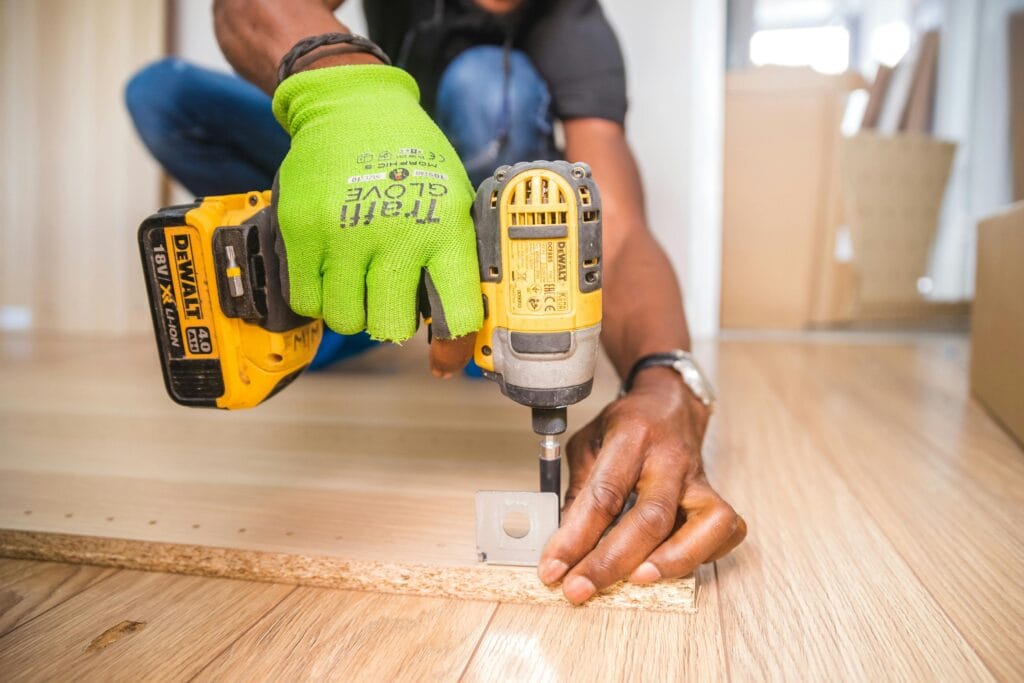
You don’t need a full workshop, but one power tool stands out as essential.
Cordless Drill
If there’s one power tool every homeowner should own, it’s a cordless drill.
A drill allows you to:
- Drill holes
- Drive screws efficiently
- Assemble furniture faster
- Mount shelves and fixtures securely
For most homeowners, a 12V or 18V cordless drill offers the perfect balance of power and portability.
Drill Bit Set
A drill is only as useful as the bits you have.
Your home tool kit should include a basic drill bit set for:
- Wood
- Metal
- Light masonry
This small addition greatly expands what your drill can do.
Safety Tools You Shouldn’t Skip
Safety is often overlooked, but it’s just as important as the tools themselves.
Safety Glasses
Protecting your eyes is essential when drilling, cutting, or hammering. Even small debris can cause serious injury.
Work Gloves
Gloves protect your hands from cuts, splinters, and abrasions while improving grip and comfort.
A safe homeowner is a prepared homeowner.
According to general home safety recommendations, using the right tools for the job can significantly reduce the risk of injury and long-term damage to materials.
Optional but Highly Recommended Tools
These tools aren’t strictly essential on day one, but they quickly prove their value.
- Level: Keeps shelves, frames, and fixtures straight
- Allen (hex) keys: Common in furniture and appliances
- Stud finder: Helps avoid drilling into pipes or wires
- Flashlight or headlamp: Essential during power outages or tight spaces
- Small tool organizer: Keeps everything accessible and protected
These additions make your home tool kit more complete and easier to use.
Homeowners vs Renters: Do You Need the Same Tools?
Not exactly.
Renters
- Focus on lightweight tools
- Fewer power tools
- Emphasis on basic repairs and furniture assembly
Homeowners
- Need more durable tools
- Benefit from power tools
- Handle ongoing maintenance and upgrades
Apartment dwellers may need fewer tools than those living in houses, but everyone benefits from having the basics covered.
Should You Buy an All-In-One Home Tool Kit?
For many people, a quality all-in-one home tool kit is a smart starting point—especially when building a kit from scratch.
Good kits typically offer:
- A balanced selection of core tools
- Organized storage
- Better value than buying tools individually
However, not all kits are created equal. Cheap kits often include low-quality tools that wear out quickly or feel uncomfortable to use.
If you’re considering a ready-made option, it’s worth comparing real-world performance, durability, and overall value. Detailed evaluations and comparisons can help you avoid wasting money on poorly built kits.
How to Build Your Home Tool Kit Over Time
You don’t need to buy everything at once.
A smart approach is:
- Start with essential hand tools
- Add a cordless drill and accessories
- Upgrade tools as your needs grow
Buying fewer, better tools almost always costs less in the long run.
Common Mistakes to Avoid
Even with good intentions, homeowners often make avoidable mistakes:
- Buying tools for rare situations
- Ignoring ergonomics and comfort
- Choosing price over long-term durability
- Lacking a proper storage system
Avoiding these mistakes will make your home tool kit more effective and enjoyable to use.
Final Thoughts: Build a Home Tool Kit That Works for You
A well-built home tool kit gives you confidence. It allows you to handle everyday maintenance, tackle small projects, and prevent minor issues from becoming costly problems.
Focus on:
- Quality over quantity
- Tools you’ll actually use
- Comfort, durability, and organization
With the right essentials in place, your home tool kit becomes one of the most valuable resources you own—saving you time, money, and frustration for years to come.
[…] handiest upgrades for fast room and wall measurements. If you want a practical starter list, this smart home tool kit guide shows how these basics fit into daily […]
[…] A shop vac, like a 4-gallon Ridgid model, can handle things your household vacuum can’t—like spilled water, sawdust, or broken glass. It’s a lifesaver when a pipe leaks or a DIY project gets messy. For more on building a smart kit, see The Essential Home Tool Kit: 15 Smart Tools Every Homeowner Actually Needs. […]