


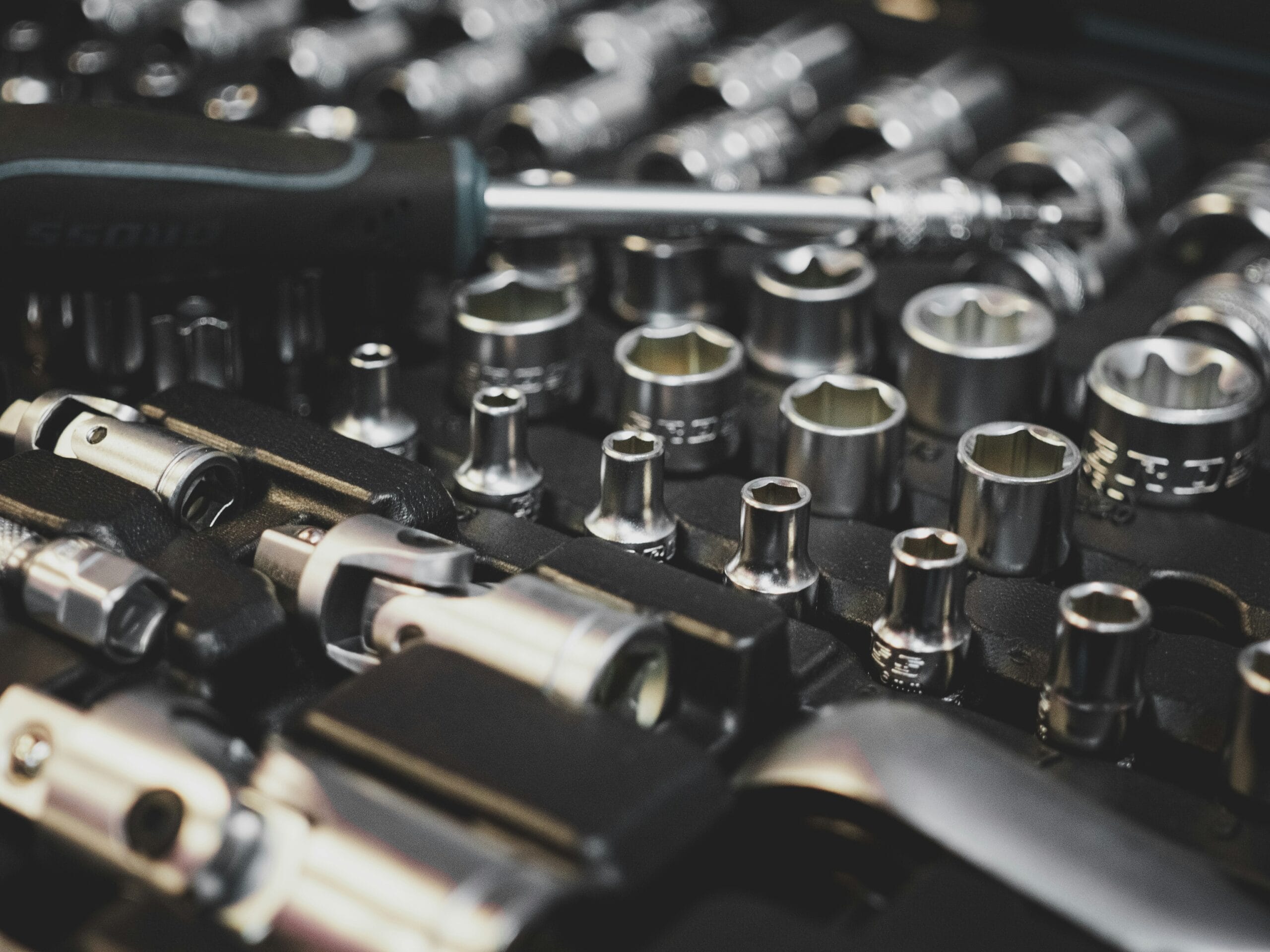
Finding the best mechanics tool set today is harder than it should be.
Search online and you’ll see dozens of kits claiming to be “professional,” “complete,” or “ultimate.” Some have 200+ pieces. Others include drills. Some focus on storage systems. Others are compact everyday kits.
But here’s the truth:
Most tool sets look impressive on paper — yet fall short in real-world use.
That’s why we built this in-depth comparison guide.
In this article, we analyze and compare the best mechanics tool sets in 2026 based on:
- Build quality
- Tool coverage
- Usability
- Storage & organization
- Real-world practicality
- Overall value
Whether you’re a homeowner, a serious DIYer, or building a home garage, this guide will help you choose the right mechanic tool kit with confidence.
Quick Overview: Top 10 Mechanics Tool Sets Ranked
Here are the best mechanics tool sets compared side by side.
| Product | Pieces | Drive Sizes | Best For | Final Score |
|---|---|---|---|---|
| GEARWRENCH 219 Pc | 219 | 1/4, 3/8, 1/2 | Best Overall Balanced Pick | 4.7 |
| DEWALT 142 Pc | 142 | 1/4, 3/8 | Strong Brand Balanced Option | 4.6 |
| CRAFTSMAN 262 Pc | 262 | 1/4, 3/8, 1/2 | Best Storage System | 4.6 |
| CRAFTSMAN 230 Pc | 230 | 1/4, 3/8, 1/2 | Best Mid-Size Pro Garage | 4.5 |
| Husky 149 Pc | 149 | 1/4, 3/8, 1/2 | Best Alternative Brand | 4.4 |
| CRAFTSMAN 102 Pc | 102 | 1/4, 3/8 | Best for Homeowners | 4.4 |
| DEKOPRO 228 Pc | 228 | 1/4, 3/8 | Best Large Value Set | 4.2 |
| KingTool 276 Pc | 276 | Mixed | Best Kit with Drill Included | 4.1 |
| CRAFTSMAN 57 Pc | 57 | 1/4 | Best Compact Everyday Kit | 4.0 |
| CARTMAN 148 Pc | 148 | 1/4 | Best Budget Option | 3.9 |
What Defines the Best Mechanics Tool Set?
Before comparing specific kits, we need to define what makes a mechanics tool set truly good.
Because here’s the mistake most buyers make:
They focus on piece count.
A 276-piece tool set is not automatically better than a 142-piece set.
In fact, some oversized kits are filled with:
- Duplicate screwdriver bits
- Rarely used adapters
- Low-grade filler tools
Instead, the best mechanics tool set should deliver performance where it matters.
1. Build Quality
Build quality determines longevity.
Look for:
- Chrome vanadium steel construction
- Durable ratcheting mechanisms
- Corrosion-resistant finish
- Tight socket tolerances
High-quality ratchets should feel smooth, not gritty. The reversing mechanism should engage cleanly. Socket edges should not round bolts under torque.
Brands like GEARWRENCH, DEWALT, and CRAFTSMAN generally perform well in this area.
2. Tool Coverage
A well-designed mechanic tool kit should include:
- SAE and metric socket sets
- Deep and shallow sockets
- Extensions
- Multiple drive sizes (1/4, 3/8, 1/2)
- Combination wrenches
A serious garage user benefits from having all three drive sizes. Casual homeowners may only need 1/4 and 3/8.
Coverage should reflect practical needs — not just inflate numbers.
3. Usability & Ratchet Design
One of the most overlooked features is the ratchet itself.
A 72-tooth ratchet allows:
- Smaller swing arc
- Better access in tight spaces
- Smoother mechanical engagement
Low-profile heads are critical when working in confined automotive compartments.
A good socket wrench set is defined by how it performs under real torque — not how it looks in the box.
4. Storage System & Organization
Storage impacts workflow efficiency.
There are generally two types:
Molded Hard Cases
- Portable
- Compact
- Ideal for homeowners
Drawer or Modular Systems
- Faster access
- Better long-term organization
- Ideal for garages
CRAFTSMAN’s VERSASTACK system and GEARWRENCH’s drawer box are examples of structured storage done right.
5. Real-World Practicality
The best mechanics tool set is one you’ll actually use.
It should:
- Cover common automotive tasks
- Handle home repair projects
- Avoid unnecessary specialty tools
Practicality beats piece count every time.
Detailed Reviews & Breakdown
Now let’s go deeper into each top-ranked kit.
🥇 GEARWRENCH 219 Pc Mechanics Tool Set
Best Overall Balanced Pick – 4.7/5
The GEARWRENCH 219-piece set stands out because it strikes the most complete balance between durability, coverage, and organization.
Why It Ranks #1
- 1/4, 3/8, and 1/2-inch drive sizes
- 6-point and 12-point socket options
- 72-tooth ratchets
- Steel 3-drawer storage box
The drawer system improves workflow significantly. Instead of stacking tools vertically in a plastic case, you get horizontal organization — faster access, better visibility.
GEARWRENCH tools are widely respected in automotive communities. Their ratchets feel professional-grade, and the steel finish holds up well under torque.
Who It’s For
- Home garage builders
- Automotive hobbyists
- DIYers who want long-term durability
If you want the best mechanics tool set that doesn’t compromise, this is the most balanced option available.
🥈 DEWALT 142 Pc Mechanics Tool Set
Strong Brand Balanced Option – 4.6/5
DEWALT is known for power tools — but their mechanic tool sets also deliver reliable performance.
Strengths
- SAE and metric coverage
- Durable molded case
- Compact but effective layout
- Trusted brand reputation
This kit avoids filler tools and focuses on practical coverage. It includes the most commonly used sockets and accessories without overwhelming the user.
Ideal For
- Homeowners
- Light automotive work
- People who prefer a recognizable brand
If you want a strong, well-balanced mechanic tool kit without stepping into pro pricing, this is a safe choice.
🥉 CRAFTSMAN 262 Pc with VERSASTACK
Best Storage System – 4.6/5
CRAFTSMAN’s 262-piece kit is less about minimalism and more about modular expansion.
What Makes It Unique
- 3-drawer VERSASTACK storage system
- Spark plug sockets included
- Wide socket range
- Expandable toolbox compatibility
The VERSASTACK system integrates with other CRAFTSMAN storage units, making it attractive for organized garage setups.
Best For
- DIYers building structured tool storage
- Garage users who value organization
- Long-term system builders
CRAFTSMAN 230 Pc
Best Mid-Size Pro Garage – 4.5/5
This version offers similar storage benefits but slightly reduced coverage.
It includes:
- 1/4, 3/8, 1/2 drive sockets
- Deep and shallow options
- Balanced wrench selection
It’s an excellent upgrade from entry-level kits.
Husky 149 Pc Chrome Mechanics Tool Set
Best Alternative Brand – 4.4/5
Husky has strong recognition among homeowners.
This 149-piece mechanic tool kit delivers:
- Solid chrome finish
- Balanced drive coverage
- Good mid-tier pricing
While not as refined as GEARWRENCH, it’s a dependable alternative for those loyal to Husky tools.
CRAFTSMAN 102 Pc Tool Kit
Best for Homeowners – 4.4/5
This kit blends household tools and mechanic functionality.
Includes:
- Hammer
- Screwdrivers
- Pliers
- Tape measure
- SAE and metric sockets
For homeowners needing a tool set for home and car use, this is one of the most practical options.
DEKOPRO 228 Pc
Best Large Value Set – 4.2/5
High piece count. Good value.
But:
- Slightly weaker steel quality
- Plastic storage case
- Less refined ratchet mechanism
Best for occasional users, not heavy torque tasks.
KingTool 276 Pc with Drill
Best Kit with Drill Included – 4.1/5
This bundle adds a cordless drill.
It’s convenient for:
- First-time homeowners
- Starter garages
- Apartment tool kits
However, drill performance and socket durability are mid-tier.
CRAFTSMAN 57 Pc
Best Compact Everyday Kit – 4.0/5
Small, portable, easy to store.
Ideal for:
- Car trunk emergency kit
- Small apartments
- Light-duty tasks
CARTMAN 148 Pc
Best Budget Option – 3.9/5
Affordable entry-level option.
Adequate for light use but not recommended for high-torque automotive work.
Extended Buyer Guide: How to Choose the Right Mechanics Tool Set
Choosing the best mechanics tool set is not just about buying tools.
It’s about buying the right system for your level, your space, and the type of work you actually plan to do.
Many buyers overspend. Others underbuy and regret it.
This guide will help you avoid both mistakes.
1. Understand Your Real Usage Level
Before looking at piece counts or brand names, answer this:
Who are you as a user?
🔹 Level 1: Casual Homeowner
You:
- Assemble furniture
- Fix cabinet hinges
- Change car batteries
- Tighten loose bolts
You don’t need 250+ pieces.
Look for:
- 1/4 and 3/8 drive
- SAE + metric coverage
- Basic wrench set
- Compact molded case
Best category fit:
- 100–150 piece mechanic tool set
🔹 Level 2: DIY Enthusiast
You:
- Replace brake pads
- Work on lawn equipment
- Install shelves
- Do moderate car repairs
You need:
- Deep + shallow sockets
- Extensions
- Spark plug sockets
- At least 3/8 drive
- Possibly 1/2 drive
Best range:
- 150–230 piece set
🔹 Level 3: Garage Builder / Serious DIYer
You:
- Work on suspension components
- Rotate tires
- Replace alternators
- Do regular automotive maintenance
You need:
- 1/4, 3/8, 1/2 drive sizes
- Deep sockets
- Breaker bar or high-torque ratchet
- Durable steel drawer storage
Best range:
- 200+ piece professional mechanics tool set
2. Drive Sizes: What They Actually Mean in Practice
Understanding drive sizes is critical.
🔧 1/4-Inch Drive
Best for:
- Small fasteners
- Interior work
- Electronics
- Light-duty car work
Pros:
- Compact
- Precise
- Easy to handle
Cons:
- Limited torque capacity
If your kit only includes 1/4-inch drive, it is not suitable for serious automotive repair.
🔧 3/8-Inch Drive
This is the most versatile size.
Handles:
- Brake components
- Engine parts
- Medium torque bolts
- General garage work
If you’re buying only one drive size — choose 3/8.
🔧 1/2-Inch Drive
Designed for:
- Lug nuts
- Suspension bolts
- High torque components
If you plan to work on wheels or heavy automotive parts, 1/2 drive is essential.
3. Socket Types: What Really Matters
A good socket wrench set should include:
✔ 6-Point Sockets
- Better bolt grip
- Less rounding
- Preferred for high torque
These are essential.
✔ 12-Point Sockets
- Faster alignment
- Easier placement
- Slightly weaker grip
Best if included alongside 6-point.
✔ Deep Sockets
Used for:
- Long bolts
- Stud-mounted nuts
- Spark plugs
Without deep sockets, many car repairs become difficult.
✔ Shallow Sockets
Used for:
- Tight, shallow bolts
- Faster everyday tasks
A complete mechanics tool set should include both.
4. Ratchet Quality: The Hidden Performance Factor
This is where cheap kits fail.
A ratchet should feel:
- Smooth
- Tight
- Controlled
- Precise
🔄 Tooth Count
A 72-tooth ratchet:
- Requires smaller swing arc
- Works in tight engine compartments
- Provides smoother engagement
Lower tooth count ratchets require more movement and are frustrating in confined spaces.
If you care about usability, this matters.
5. Steel Quality & Durability
Most mid-range kits use:
- Chrome Vanadium Steel (Cr-V)
Higher-end kits may include:
- Chrome Molybdenum for impact-rated components
What to look for:
- Polished chrome finish
- Corrosion resistance
- Clean socket machining
- Tight tolerances
Poor machining causes bolt rounding. That ruins projects fast.
6. Storage System: More Important Than Most Realize
There are three main storage styles:
🧰 Molded Plastic Case
Pros:
- Lightweight
- Portable
- Compact
Cons:
- Hard to reinsert tools
- Plastic hinges may weaken
- Slower workflow
Best for homeowners and casual users.
🗄 Drawer Steel Box
Pros:
- Faster access
- Organized layout
- Durable long-term
Cons:
- Heavier
- Less portable
Best for garage setups.
🔩 Modular System (Like VERSASTACK)
Pros:
- Expandable
- Stackable
- Organized growth
Cons:
- Higher cost
Best for people building long-term tool systems.
7. Piece Count: Don’t Get Tricked
A 276-piece tool set is not automatically better than a 142-piece set.
Some brands inflate piece count by including:
- Multiple screwdriver bits
- Duplicate hex keys
- Rarely used adapters
What matters more:
- Coverage balance
- Drive diversity
- Socket range
Always check what the pieces actually are.
8. SAE vs Metric: You Probably Need Both
If you work on:
- American vehicles → SAE
- Japanese vehicles → Metric
- Modern cars → Mostly Metric
Most quality mechanic tool kits include both.
Buying a set with only one system limits flexibility.
9. Weight & Portability
If you:
- Move tools between locations
- Work outside
- Keep tools in a car trunk
Choose compact molded kits.
If tools stay in garage:
Choose drawer systems.
10. Warranty & Brand Reliability
Many top brands offer:
- Lifetime warranties
- Tool replacement policies
Brands like:
- GEARWRENCH
- DEWALT
- CRAFTSMAN
Have better track records than ultra-budget brands.
Warranty adds long-term value.
11. Budget Strategy: Spend Smart
Here’s a simple approach:
Under $100
Entry-level.
Light use only.
$100–$200
Best value zone.
Balanced durability + coverage.
$200–$350
Serious garage kits.
Better ratchets, stronger steel, storage systems.
Avoid going ultra-cheap if you plan real mechanical work.
Cheap tools cost more long-term.
12. Matching the Tool Set to Your Space
Apartment:
Compact case under 150 pieces.
Small garage:
150–230 pieces.
Full garage workshop:
200+ pieces with 1/2 drive + drawer system.
13. When Should You Buy a Kit With a Drill?
Some kits include a cordless drill.
Buy combo kits if:
- You’re starting from zero
- You don’t own a drill
- You need convenience
Avoid combo kits if:
- You already own quality power tools
- You care more about socket durability
14. Real-World Practicality Test
Ask yourself:
Can this kit handle:
- Brake jobs?
- Battery replacement?
- Spark plug changes?
- Light suspension work?
If yes — it’s practical.
If no — it’s incomplete.
15. The Long-Term Strategy Approach
If you plan to build your tool collection over time:
Step 1 → Buy a balanced 150–220 piece kit
Step 2 → Add impact sockets
Step 3 → Add torque wrench
Step 4 → Expand modular storage
Don’t try to buy everything at once.
Build intelligently.
Final Buyer Advice
The best mechanics tool set is not the biggest.
It’s the one that:
- Matches your real usage
- Has the right drive sizes
- Includes deep + shallow sockets
- Feels solid in hand
- Stores efficiently
For most people:
A 150–220 piece mechanic tool kit with 1/4 and 3/8 drive is the sweet spot.
For garage builders:
Choose a 200+ piece kit with 1/2 drive and drawer storage.
For most users wanting the best balance of quality, coverage, and usability:
👉 GEARWRENCH 219 Pc (4.7/5)
If you value organization:
👉 CRAFTSMAN VersaStack series
Choose based on workflow, not marketing numbers.
Frequently Asked Questions About Mechanics Tool Sets
For most homeowners, the best mechanics tool set includes:
- 1/4-inch and 3/8-inch drive
- SAE and metric sockets
- Deep and shallow sockets
- At least 100–150 pieces
- A durable molded storage case
Home users typically don’t need 1/2-inch drive sockets unless they plan to work on lug nuts or heavy suspension components. A balanced mid-size kit offers the best mix of versatility, portability, and long-term value.
This depends entirely on usage level.
- Light home repairs → 100–150 pieces
- DIY automotive work → 150–230 pieces
- Garage and car maintenance → 200+ pieces
Bigger is not always better. What matters is coverage, drive size variety, and socket depth options—not inflated piece counts from duplicate bits.
SAE (Society of Automotive Engineers) measurements are in inches, while metric sockets use millimeters.
Most modern vehicles use metric fasteners, but many American vehicles and older equipment still use SAE. The best mechanics tool kits include both to ensure compatibility across different applications.
Buying a kit with only one measurement system can limit versatility.
6-point sockets are generally better for durability and bolt protection.
They:
- Grip bolt heads more securely
- Reduce rounding risk
- Handle higher torque
12-point sockets allow easier placement but are slightly more prone to slipping under high torque. For serious automotive work, 6-point sockets are preferred.
Yes.
A 72-tooth ratchet requires less swing arc to engage the next tooth. This makes it ideal for tight engine bays and confined spaces.
Lower tooth ratchets require more movement and can be frustrating during detailed automotive work.
If smooth usability matters to you, choose higher tooth count ratchets.
You need a 1/2-inch drive if you plan to:
- Remove lug nuts
- Work on suspension
- Handle high-torque fasteners
- Perform serious automotive repairs
For basic home repairs, 1/4 and 3/8 drive sizes are sufficient.
It depends on how you use it.
Plastic molded cases:
- More portable
- Lightweight
- Compact
Drawer storage systems:
- Better organization
- Faster workflow
- More durable long-term
If you’re building a garage setup, drawer systems are superior. If portability matters, molded cases are practical.
A well-built mechanics tool set made from chrome vanadium steel should last many years under normal home and DIY use.
Brands offering lifetime warranties provide additional long-term value, especially for ratchets and sockets that experience repeated torque stress.
Proper storage and avoiding misuse (like using standard sockets with impact guns) significantly extends lifespan.
The best budget tool sets:
- Include both SAE and metric sockets
- Offer at least 100+ pieces
- Use chrome vanadium steel
- Include deep and shallow sockets
Avoid ultra-cheap kits that inflate piece count with filler bits but lack core socket coverage.
Value comes from balance—not raw quantity.
Yes.
A well-chosen mechanic tool kit is one of the best investments for beginners. It provides:
- Structured organization
- Essential fastener coverage
- Practical hands-on learning
Starting with a balanced 150-piece kit is ideal for new DIYers who want room to grow.
Absolutely.
Mechanics tool kits are versatile and often include:
- Screwdrivers
- Hex keys
- Pliers
- Tape measures
- Utility knives
They handle furniture assembly, appliance repairs, mounting tasks, and general maintenance.
Buying individually makes sense if:
- You already own some tools
- You need specialized equipment
- You want premium ratchets only
However, full mechanic tool sets are often more cost-effective for beginners and intermediate users because they provide bundled coverage at lower total cost.
Avoid:
- Inflated piece counts with excessive screwdriver bits
- Missing deep socket coverage
- No 3/8-inch drive
- Weak plastic hinges
- No warranty support
The best tool sets prioritize usability, steel quality, and balanced coverage.
Not necessarily.
Professional-grade kits are heavier, more expensive, and often overbuilt for light home use.
For most users, a high-quality mid-tier mechanic tool set provides better value.
To extend lifespan:
- Wipe tools clean after use
- Store in dry environment
- Avoid impact tools with non-impact sockets
- Keep ratchets lightly lubricated
- Return tools to storage to prevent loss
Good maintenance preserves both usability and long-term reliability.